
Comparing dental implant quotes can be confusing, especially when one estimate is $3,000 and another is $5,000 for the same tooth. The difference often comes down to what each quote includes. One may cover the final crown, while another leaves it out. A 2025 survey of 278 practices reports a nationwide median of $4,000 for a complete dental implant, but that figure does not specify which stages are included.
This tutorial breaks down the dental implant cost stage by stage. You will learn why quotes rarely match, what a complete implant includes, and how each phase from imaging to the final crown adds to the total. We will also cover how to compare estimates line by line and what questions to ask before choosing a provider. Whether you are researching options in North Wilmington or nearby Pennsylvania communities, understanding each stage helps you evaluate offers honestly. Naamans Dental in Wilmington, Delaware, is here to guide you through the process and help you feel confident about your choices.
Why Two Dental Implant Quotes for the Same Tooth Rarely Match
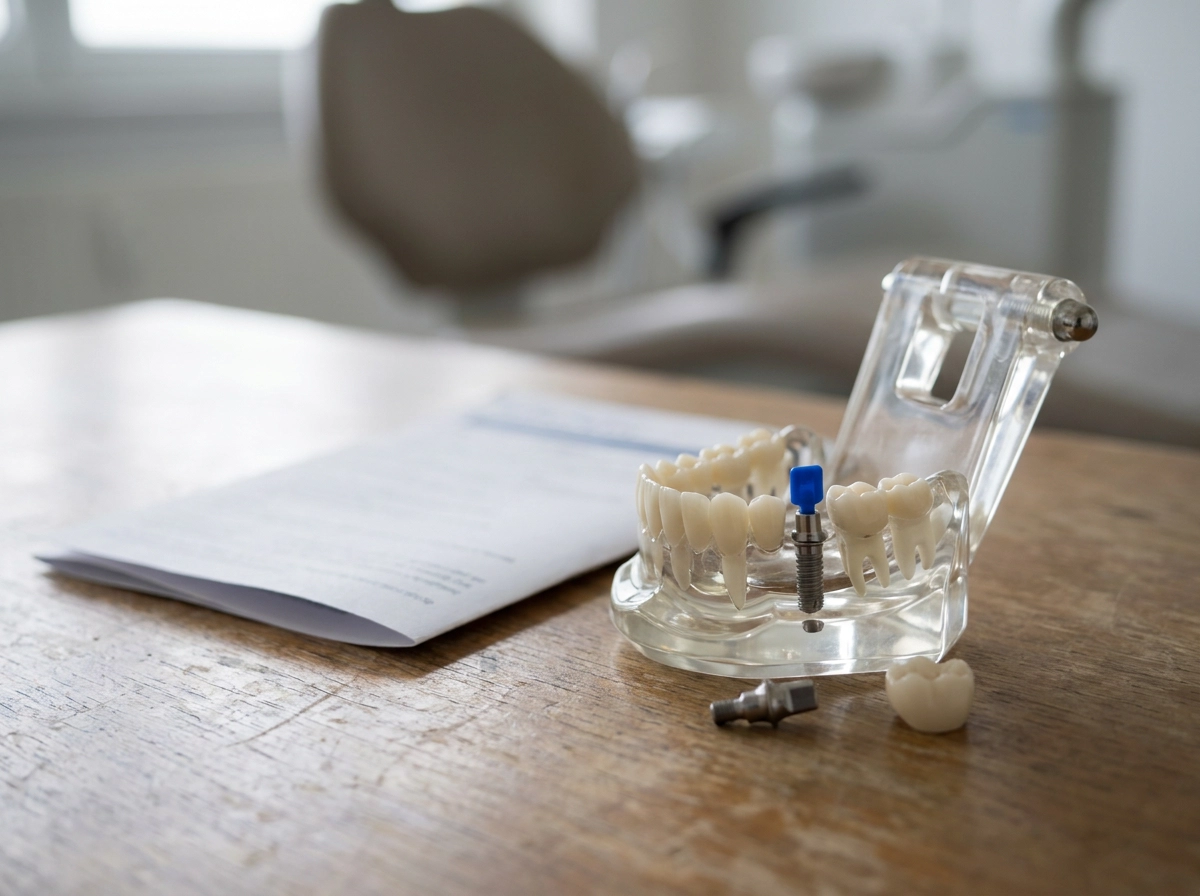
An implant is a staged purchase: examination and imaging, implant body, any bone grafting, healing period, abutment, final crown, and years of maintenance. Whether weighing an implant against a bridge or partial denture or comparing two implant quotes, that staging makes totals hard to read.
One office may bundle the graft or crown into one number; another lists those items only if necessary. Two totals can describe entirely different scopes.
A 2025 Dental Economics survey of 278 practices across six US metros reported a nationwide median of $4,000 for a complete dental implant, though it does not state which stages that includes. Location matters: Minneapolis posted the highest median at $5,505, while Houston's prices came in slightly lower than in 2020.
Comparing dental implant cost honestly means comparing scope, not the bottom line, and asking how each office handles a graft, a repair, or an unnecessary stage.
What a Complete Implant Actually Includes
With that framework in mind, here is the full sequence behind one implant. Stage 1 is the consultation: a clinical exam and diagnostic imaging, including a cone beam CT or panoramic image when needed, to plan placement and check whether bone at the site is adequate. Stage 2 is placement of the implant body, the small post set into the jaw that will support the tooth. Stage 3 covers any bone grafting or sinus lift needed before or during placement to give that post stable support. Stage 4 is the healing period, when bone fuses with the implant, along with follow-up visits in that window. Stage 5 is the abutment, the final crown, and then ongoing maintenance or repairs after the crown is seated. Our dental services include implant treatment planning. Understanding what costs dental implants involve starts with this list, because pricing disagreements usually mean two people are counting different stages.
Stage One: The Consult and Imaging Are Often Separate Line Items
Before comparing totals, check whether the first stage appears in the quote. Delaware's 2025 Medicaid dental fee schedule, effective April 1, 2025, prices a periodic exam (D0120) at $50.63, a comprehensive series of radiographs (D0210) at $123.83, a panoramic image (D0330) at $108.58, and a tomographic survey (D0322) at $427.00 as separate codes. Published schedules vary by payer: Tennessee's child Medicaid schedule lists a periodic exam at $29.24 and a cone beam CT interpretation (D0367) at $81.15. That is a different state and population, so it shows how codes are structured, not Delaware care costs. These are Medicaid fees, not Naamans Dental fees, and do not predict your insurance payment. Several Delaware cone beam CT codes appear at $0.00, so coverage questions belong with your dental plan. Ask whether consultation, imaging, and written treatment plan are included in the implant quote or billed separately. For plain-language help reading a treatment plan, visit our patient education library or contact Naamans Dental.
Stage Two: What the Implant Body and Placement Fee Covers
Once the exam and imaging are settled, the next line on most estimates is the surgical stage. The placement fee usually covers the surgical appointment or appointments and the implant body itself, but practices bundle that fee differently. A 2025 Dental Economics survey reported a median of $3,400 for specialist-performed implant procedures and $4,800 for general dentists. That gap reflects referral patterns, sedation options, technology, and what each fee includes, not a ranking of quality. A lower placement fee can simply mean more treatment is billed later, so ask what the number covers. Ask whether healing-period visits and radiographs taken while the implant integrates are included. Also ask which protocol is planned, immediate or delayed placement, and whether that changes the fee or the number of surgical visits. Grafting, extractions, and other add-ons are where the next comparisons usually diverge.
Stage Three: Grafting, Extractions, and Other Add-Ons
Beyond the placement fee, several add-ons can appear on an implant estimate, and each deserves its own line. Bone grafting and sinus lifts are often quoted separately because they depend on the bone at your specific site, which may not be clear until imaging is reviewed. A graft may be priced by site, by the volume of grafting material, or as a package with placement, so ask which model applies to you. Extractions, sedation, and provisional or temporary teeth may also sit outside the implant fee. Ask what would trigger an added charge once treatment has started and how you would be told before work continued. Request the estimate in writing with dental codes attached, so add-ons from two offices can be compared directly rather than by total only. Our guide to your new-patient exam and cleaning at a family dentist explains how imaging and findings are typically presented. Once these extras are settled, the next stage covers the healing period, the abutment, and the final crown.
Stage Four: The Healing Period, the Abutment, and the Final Crown
Once any grafting is settled and the implant body is placed, the case moves into the healing period. Bone typically needs several months to fuse with the implant before the abutment and crown are placed. Ask whether follow-up visits and radiographs during that window are included in the fee or billed separately.
The abutment is the connector between the implant body and the crown. Some practices bundle it with the crown fee; others list it separately, and that gap can be a meaningful part of the total. Crown material also affects price: porcelain-fused-to-metal, all-ceramic, and zirconia carry different laboratory costs, and your bite and cosmetic goals may point toward one over another.
Before treatment begins, ask whether the temporary crown, final crown, and lab fee are one line item or three. Also ask what happens to the fee if the crown needs adjustment or replacement shortly after it is seated.
Stage Five: Maintenance, Repairs, and What Comes After
Once the crown is seated, treatment shifts from building to protecting. Routine cleanings and exams continue, and implant sites may need specific hygiene instruments or extra time at those visits, so ask whether your practice schedules them differently.
Repairs can include a loose abutment screw, a chipped or worn crown, or replacement of a component that loosens over time. Before treatment, ask how the practice handles repairs in the first year, whether any warranty applies to the implant body, abutment, or crown, and whether that policy is written down. It also helps to know which parts are the practice's responsibility and which go through the implant or lab manufacturer.
Searches about the cost of teeth implants often stop at the crown. The years after placement are part of the real total, so discuss maintenance and repair expectations up front.
Why Dental Implant Prices Vary by Market and Provider
Even with a clear maintenance plan, the total can still differ sharply from one office to the next. In the 2025 Dental Economics survey, Minneapolis posted the highest median at $5,505, while Houston prices came in slightly lower than in 2020. The survey tied regional gaps to local market dynamics, practitioner density, and insurance reimbursement, factors apart from the implant itself. So dental implant pricing is not set nationally, and it does not always rise over time.
What a practice charges also reflects overhead, laboratory relationships, in-office technology such as cone beam CT, and how much follow-up care is built into the fee. That makes the bottom line a poor shortcut. A lower quote is not automatically better if it leaves out grafting, imaging, or the crown; a higher one is not automatically complete. The only reliable number for your situation comes from an individual examination and a written plan based on your bone, bite, and health history.
How to Compare Dental Implant Cost Quotes Line by Line
Because pricing varies so widely, compare estimates line by line rather than by total. Place both quotes side by side and check off each stage: consultation and imaging, implant body, grafting, healing-period visits, abutment, final crown, and maintenance. Ask each office for the written treatment plan with dental codes, not just a total; codes reveal when two quotes describe different work. Note each estimate's date and how long pricing is held, since fees are typically reviewed annually. Then ask what happens if a stage proves unnecessary: does the total adjust downward? Finally, ask what happens if a stage becomes necessary later and how any added fee would be presented to you before treatment continues. These five checks turn two confusing totals into a fair comparison.
Questions to Ask Before You Choose a Provider
Once you have both estimates side by side, the next step is putting the same questions to each office directly. Bring this checklist to the conversation:
Does this quote include the examination, imaging, and treatment planning visit, or are those billed separately?
Does it include the implant body, abutment, and final crown, or are any priced on their own?
Is grafting included in the total, estimated as a range, or billed only if needed during surgery?
Which healing-period visits are covered by the fee, and which are billed as they happen?
How does the practice handle repairs, replacements, and follow-up care after the crown is placed?
Is the plan presented in writing with dental codes so a second opinion can be compared fairly?
Requesting a coded written plan is the single most useful habit here; it lets another office verify, line by line, what the first quote actually covers. Our insurance and billing page explains how we document estimates and what to bring to your visit.
Insurance, Payment Timing, and What to Confirm
Once you have written quotes in hand, ask how your dental plan will process each line before you schedule. Request a pretreatment estimate so expected coverage is clear before treatment starts, not after. Confirm whether the plan treats the implant body, abutment, and crown as separate procedures with separate coverage percentages, because that structure changes your out-of-pocket share. Ask specifically about a missing tooth clause or frequency limitation, since either can affect implant benefits and is easy to miss. Health savings and flexible spending accounts may sometimes apply toward implant treatment, but confirm eligibility and payment timing with your plan administrator. Finally, do not treat any published fee schedule, including a Medicaid one, as your own cost; it only illustrates how fees are split into line items. To review your estimates with our Wilmington team, request an appointment.
Reading the Quote Before Choosing the Treatment
Once you have confirmed how your plan handles payment, read the estimate itself with fresh eyes. Dental implant costs are a staged purchase, and quotes compare fairly only when you know which stages each covers. Use the five-stage checklist from this guide, ask for written plans with dental codes, and treat grafting and repairs as questions, not assumptions. At Naamans Dental, at 2018 Naamans Road, Suite 2 in Wilmington, Delaware, we welcome patients from North Wilmington, Brandywine Hundred, and nearby southeastern Pennsylvania who are weighing options for missing teeth. An examination is the only way to know which stages your case requires and what the plan would include. Call 302-475-3743 or request an appointment at www.naamansdental.com, and bring your other estimates so we can walk through the differences together. Learn more about our practice.
Conclusion
Understanding dental implant costs comes down to seeing the process as a series of stages, not a single price. Three key takeaways stand out: quotes vary because they cover different stages, grafting and repairs are often separate line items, and fair comparisons require reading estimates with dental codes line by line. That clarity gives you real control over your decision. Your next step is simple: request an examination at Naamans Dental in Wilmington, Delaware, and bring your other estimates so our team can walk through the differences together. Call 302-475-3743 or visit www.naamansdental.com to get started. With the right questions and a written plan, you can choose your care with confidence and peace of mind.