
You've probably noticed it at least once: a little pink on your toothbrush or in the sink after you floss. It is easy to shrug off, but bleeding gums are worth paying attention to. Here is the reassuring part. That pink does not automatically mean you have gum disease. Often, it is an early sign that plaque and mild inflammation are irritating your gums, and a professional cleaning plus a few tweaks to your brushing and flossing routine can settle things down.
But sometimes bleeding gums are telling a bigger story, especially if the bleeding continues after a cleaning or shows up alongside bad breath, receding gums, or loose teeth. So how do you know which situation you are in? That is exactly what this guide walks you through. We will cover why gums bleed in the first place, the difference between reversible gingivitis and periodontitis, what your brushing technique has to do with it, and the step most people skip: cleaning between your teeth. We will also explain what happens at a dental exam, how professional cleanings differ from deep cleanings, and why follow-up visits matter. By the end, you will understand why the exam, not the sight of blood, decides the treatment. If you live in North Wilmington or nearby Brandywine Hundred and want answers about your own gums, Naamans Dental is here to help.
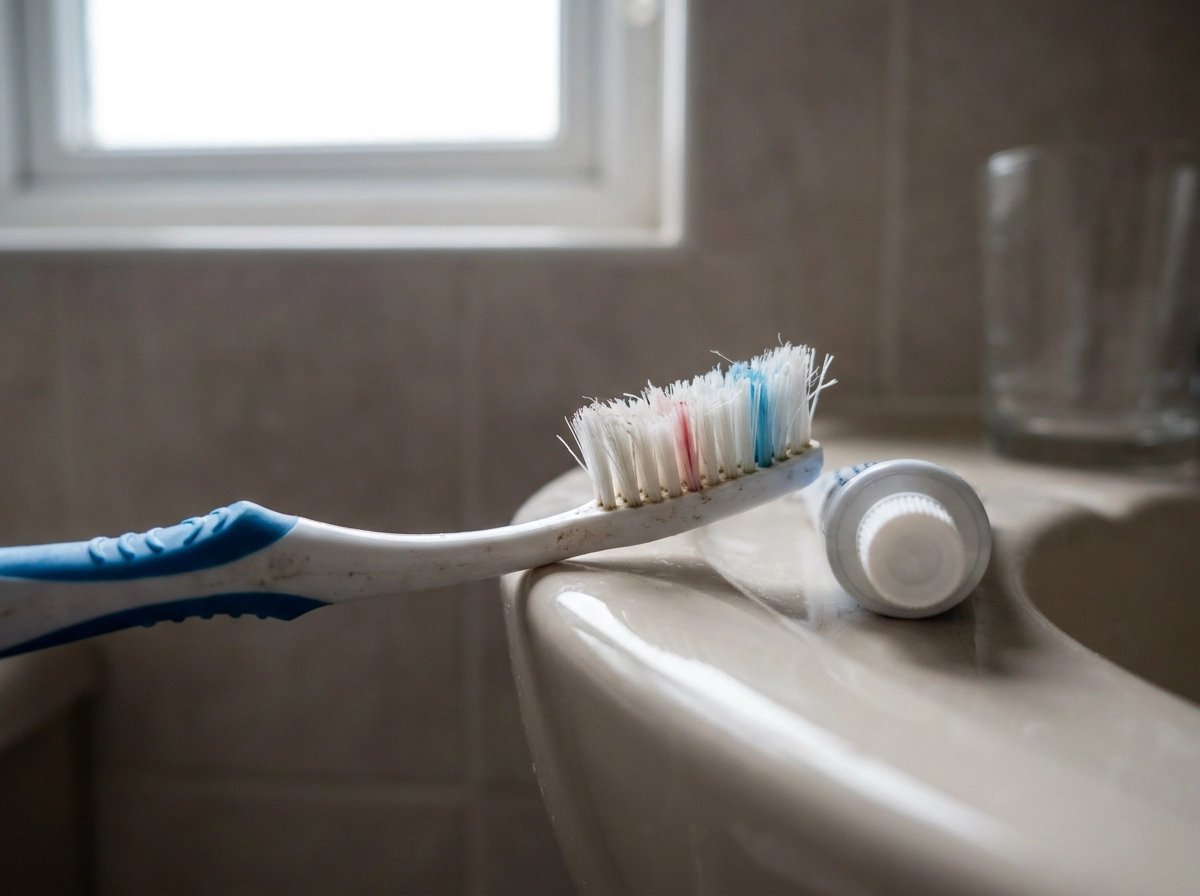
Why Gums Bleed: Plaque, Inflammation, and an Early Warning Sign
Plaque is a sticky film of bacteria that forms on teeth and along the gumline every day. When it stays put, your body's immune response causes gum inflammation. Inflamed gums hold more blood and become fragile, so a toothbrush, floss, or even a fingernail can make them bleed before you feel pain. That blood is a symptom, not a diagnosis: it tells you the gums are irritated, not how far the irritation has gone. If plaque hardens into tartar, a professional cleaning is needed to remove it (MedlinePlus). Often, bleeding with brushing reflects early, treatable inflammation rather than permanent damage. That is why the pattern matters more than alarm.
Gingivitis: The Early, Reversible Stage of Gum Disease
Gingivitis is inflammation limited to the gum tissue, without the pocketing or attachment loss that defines periodontitis. You may see bleeding at a few points with gentle brushing or flossing, along with red or puffy gums, but no pocketing or recession.
With consistent brushing, interdental cleaning, and that cleaning, a follow-up visit can confirm healing. This is why an early exam matters. The same bleeding can mean something different once pocketing and tissue loss appear. A new-patient exam and cleaning is a calm way to find out what yours means.
Periodontitis: When Bleeding Arrives With Pocketing and Bone Loss
Unlike gingivitis, periodontitis reaches the support structures. The gums pull away from the teeth and form pockets that trap bacteria, while bone and connective tissue break down (MedlinePlus). So bleeding that continues after a professional cleaning, especially with bad breath, receding gums, or shifting teeth, is a sign of gum disease that needs an exam, not harder brushing. Your dentist measures pocket depths, checks attachment loss and bleeding on probing, and reads bone levels on X-rays to stage the disease. Gum disease is a leading cause of tooth loss, especially in older adults. Treatment aims to control inflammation, not promise a cure. Because pocketing and bone loss do not reverse on their own, measurements decide the plan.
Signs of Gum Disease Beyond Bleeding
Once pocketing has been measured, watch for clues beyond bleeding. Persistent bad breath or a bad taste can point to gum disease, as can gums that look red or swollen or feel tender. Receding gums -- when gum tissue pulls away from teeth -- can be a sign of advancing disease. Teeth that shift, feel loose, or no longer meet the same way when you bite are also common warning signs of gum disease. If you notice any of these signs, contact your dentist; the sooner gum disease is treated, the better. Your dentist can help you understand what these signs mean for you.
When Bleeding Gums Point to Your Brushing Technique
If you have any of those signs, book an exam. But if bleeding is your main concern and it shows up at just one or two spots right after a hard scrub, with no recession, no pocketing, and no bad breath, the pattern often points to technique or a local irritant rather than disease.
Try these adjustments:
Use a soft-bristled brush and light pressure. The bristles should splay gently against the gumline, not flatten against your teeth.
Angle the brush about 45 degrees toward the gumline and use small, gentle strokes. Cover every surface in about two minutes, twice a day.
Don't skip a spot that bleeds. Avoiding it lets plaque collect and keeps the gum inflamed.
Replace your brush every three to four months, or sooner if the bristles look worn. If you tend to press hard, a powered toothbrush may make it easier to maintain gentle, consistent pressure.
If bleeding continues despite gentle technique, schedule an exam to rule out something more.
Interdental Cleaning: The Step Most People Skip
Your toothbrush does an excellent job on the broad surfaces, but it cannot reach the tight spaces between teeth. That is often exactly where early gum inflammation begins. Floss, interdental brushes, or a water flosser all help, as long as you use one daily. The best choice is simply the one you will actually keep doing. If you are new to interdental cleaning, your hygienist can show you the technique and help you choose the right tool for your spaces. At your next cleaning, ask your hygienist which interdental brush size fits your spaces and to check your technique, since fit varies from mouth to mouth.
How Common Is Gum Disease, and Who Is Most at Risk
CDC data from 2009 to 2010 found periodontitis in about 47% of adults 30 and older, roughly 65 million people: 8.7% mild, 30.0% moderate, and 8.5% severe. Among adults 65 and older, that same survey found about 5.9% mild, 53.0% moderate, and 11.2% severe periodontitis, so gum health stays relevant at every age. A separate analysis covering 2009 to 2014 estimated about 42% of adults over 30 had periodontitis, with 7.8% classified as severe; the variation from the earlier figure reflects different survey years and methods, including older partial-mouth exams that underestimated the condition. CDC lists smoking and diabetes as risk factors you can change, and notes lower education and higher poverty are associated with periodontitis. Quitting smoking and controlling blood sugar are part of gum care.
What Happens at a Dental Exam for Bleeding Gums
Risk factors only tell part of the story; the exam tells the rest. First, your dentist reviews your health history and medications, then measures the space between each tooth and the gum at several points per tooth. Bleeding on probing, gum recession, tooth mobility, and how your teeth meet are all recorded. X-rays show the bone levels those measurements cannot reveal. Your dentist combines the findings to tell whether you have gingivitis, periodontitis, or another cause of bleeding, then plans treatment from there.
Comfort and cost are fair questions. Ask what the measurements feel like, whether numbing is an option, and what the visit involves before treatment starts. Only an examination can measure pocketing, bone, and attachment loss, so an exam is always the right starting point.
If you are weighing costs, have an exam before you spend anything on guesswork. Once the exam identifies what you have, the next question is which cleaning fits.
Professional Cleaning vs. a Deep Clean for Gum Disease
Once your exam shows what's going on, the recommendation usually comes down to one of two cleanings. For gingivitis, a routine professional cleaning is the standard treatment. Scaling and root planing, often called a deep clean for gum disease, removes deposits from below the gumline to reduce the bacterial load and allow gum tissue to heal. Your dentist will explain what the procedure involves, including whether numbing is used and what to expect afterward. Ask about your plan, phased treatment, and payment options before scheduling, since coverage varies. Your dentist will explain which treatment your exam findings support so you can decide with clear information rather than pressure.
Maintenance Visits: Why Gum Disease Care Does Not End
Periodontitis is managed over time, not resolved by a single procedure. Maintenance visits recheck pocket depths and bleeding and remove new deposits before they cause more loss. The recall schedule is set by your dentist based on your measurements, disease history, and risk factors.
Between visits, twice-daily brushing and daily interdental cleaning do most of the work. Quitting smoking and improving diabetes control also lower your risk, according to the CDC. Staying on schedule matters because periodontitis is a leading cause of tooth loss in older adults.
Questions Patients Ask About Bleeding Gums
Once you are on a maintenance schedule, questions still come up between visits. Here are the ones we hear most.
Is bleeding always a sign of gum disease? No. Hard brushing, technique, and some medications can irritate gums. An exam separates those causes from periodontitis.
How long should I wait before calling? If gentle technique does not settle bleeding, or you notice bad breath, recession, or a loose tooth, book an exam.
Can I fix gingivitis at home? Home care is essential, but a professional cleaning is usually needed to remove tartar that home care cannot reach.
Will bleeding stop if I skip flossing? No. Skipping lets plaque build between teeth and keeps gums inflamed.
Is bleeding after a deep cleaning normal? Your dentist will advise you on what to expect after the procedure and when to call.
Getting Care for Bleeding Gums in North Wilmington
If those answers leave you wondering what your own bleeding means, Naamans Dental can help. We're a family dental practice at 2018 Naamans Road, Suite 2, Wilmington, Delaware 19810, welcoming patients from North Wilmington, Brandywine Hundred, and nearby communities. Learn more about our practice. Missing teeth too? Compare dental implant vs bridge vs partial denture in Wilmington. To learn what your bleeding means, request an appointment at our Wilmington office or call 302-475-3743. When you call, mention how long it has lasted, whether it happens with every brushing, and any bad breath, receding gums, or loose teeth you have noticed.
Conclusion: The Exam, Not the Sight of Blood, Decides
The pattern matters more than the pink itself. Bleeding at a few spots with gentle brushing, without pocketing or recession, is usually reversible gingivitis that a professional cleaning and better technique can settle. When bleeding accompanies bad breath, recession, or shifting teeth, periodontitis is more likely and needs professional treatment. Gentle brushing with a soft brush, daily interdental cleaning, and routine checkups lower your risk and catch changes while they are still manageable. If you are seeing pink in the sink in Wilmington, North Wilmington, Brandywine Hundred, or nearby Pennsylvania, request an exam at www.naamansdental.com or call 302-475-3743.